
Leading Tools for Tree Trimming Projects That Deliver Precision
Explore top-rated tools designed to make tree trimming safer, easier, and more efficient for both professionals and DIY enthusiasts.
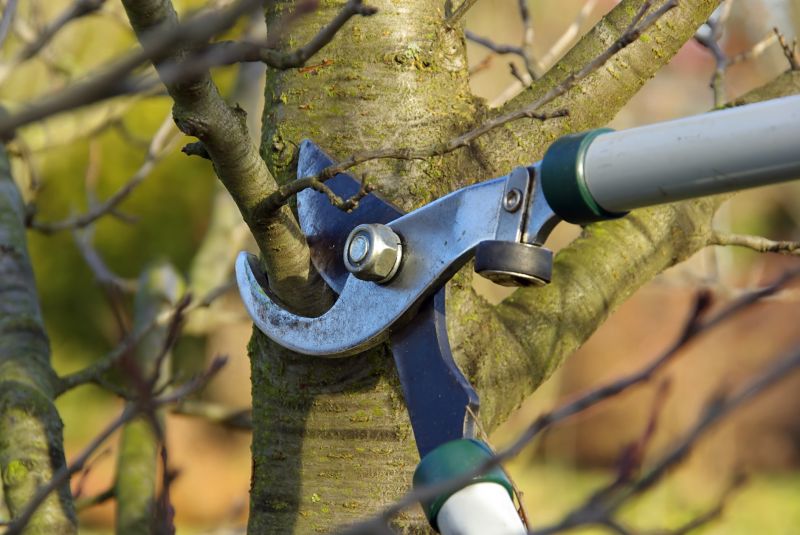 Tree trimmings play a vital role in maintaining the health and appearance of trees, especially during seasonal pruning and holiday decoration preparations. A variety of tools and products are available to facilitate safe and effective trimming, from hand-held shears to powered equipment. Proper trimming not only enhances aesthetic appeal but also promotes healthy growth by removing dead or diseased branches. Selecting the right products ensures that trimming tasks are performed efficiently and safely, whether for ornamental trees, fruit-bearing varieties, or large landscape specimens.
Top Overall Option
Multi-Functional Tree Trimming Kit
A comprehensive trimming kit that includes a variety of hand tools, extendable pruners, safety gear, and maintenance accessories. Designed to accommodate different tree sizes and trimming needs, this versatile set offers users a complete solution for safe and effective tree care. Its durable construction and ergonomic design aim to enhance comfort and precision during use.
Types of Products For Tree Trimmings
Pruning Shears
Ideal for trimming small branches and shaping trees with precision, pruning shears are a staple for detailed pruning work.
Loppers
Designed for cutting thicker branches, loppers provide increased leverage and cutting capacity for medium-sized limbs.
Pole Pruners
Extendable tools that allow reaching higher branches safely without ladders, suitable for light to moderate trimming.
Chainsaws
Powerful motorized tools for cutting large branches and trunks, offering efficiency for substantial trimming tasks.
Electric Pole Saws
Combining reach and power, these tools are ideal for trimming tall trees with minimal effort.
Hand Saws
Manual saws suited for detailed cuts and smaller branches, providing control and precision.
Safety Gear
Protective gloves, goggles, and clothing essential for safe trimming practices.
Tree Climbing Gear
Harnesses and ropes designed for professional arborists to access high branches safely.
Sharpening Tools
Files and stones to maintain the sharpness of blades and saws for optimal performance.
Tree Wedges
Tools used to control the direction of fallen branches or trunks during cutting.
Debris Bags
Heavy-duty bags for collecting and disposing of trimmed branches and leaves.
Extension Cords
Heavy-duty cords designed to power electric tools at a distance from outlets.
Tree Stand Platforms
Stable platforms for safe positioning when working at height on trees.
Tree Trimming Guides
Instructional books or manuals to improve trimming techniques and safety practices.
Plant Supports
Supports and braces to help maintain the shape and health of trimmed trees.
Popular Choices
A versatile tool for detailed pruning on smaller branches, favored for its control and ease of use.
Popular for reaching high branches safely, combining extension and cutting power.
Offering mobility and power, these chainsaws are frequently used for larger trimming tasks.
Essential for protecting hands during trimming, with many options available for different levels of protection.
Commonly used to safeguard eyes from debris and branches during pruning activities.
Popular for collecting trimmed branches efficiently, making cleanup easier.
A trending choice for trimming tall trees with minimal effort, combining reach and power.
Preferred for precision cuts on smaller branches or detailed trimming work.
Often used to control the fall of branches, valued for their safety and effectiveness.
Popular for powering electric tools at a distance, ensuring flexibility during trimming.
Favored by professionals for high limb access, providing safety and stability.
Commonly used to maintain blades and saws, ensuring clean cuts and tool longevity.
Popular for supporting newly trimmed or young trees to promote healthy growth.
The market offers an extensive range of products designed to cater to different trimming needs. Manual tools such as pruning shears and loppers are essential for detailed work on smaller branches, while pole pruners extend reach for higher limbs without the need for ladders. For larger branches or more extensive trimming, powered chainsaws and electric pole saws provide increased power and efficiency. Additionally, safety gear including gloves, goggles, and protective clothing is crucial for safeguarding against potential hazards during trimming tasks.
Choosing the appropriate products depends on several factors, including the size and type of tree, the complexity of the trimming job, and user experience. Investing in versatile, durable tools can make trimming easier and more precise. Proper maintenance of these tools, such as regular sharpening and cleaning, also extends their lifespan and ensures optimal performance. Whether for professional arborists or casual gardeners, the right selection of products can significantly improve the trimming experience and outcomes.
Ultimately, understanding the variety of available tools and their specific functions helps in making informed purchasing decisions. From lightweight manual tools to powerful motorized equipment, there are options suitable for every level of expertise and project scope. Ensuring safety and efficiency while maintaining the health of trees is the primary goal when selecting products for tree trimmings.
Key Buying Considerations
- Tree size and branch thickness determine the type of tool needed, from manual shears to powered chainsaws.
- Safety features such as gloves, goggles, and protective clothing are essential for safe trimming practices.
- Ease of use and ergonomic design can reduce fatigue and improve precision during prolonged tasks.
- Durability and build quality impact the longevity and performance of trimming tools.
- Power source options include manual, electric, or gas-powered, each with its own advantages and limitations.
- Extendable tools can provide access to high branches without climbing or ladders.
- Maintenance requirements, such as sharpening and cleaning, should be considered for long-term use.
- Compatibility with other tools or accessories can enhance versatility and efficiency.
- Weight and size of tools affect maneuverability, especially for extended use or overhead work.
- Budget constraints may influence the selection of basic versus professional-grade equipment.
- Intended frequency of use can guide the choice between lightweight, casual tools and heavy-duty, professional equipment.
- Additional safety gear and accessories can improve overall safety and convenience.
- Storage options and portability are important for organizing and transporting tools.
- User experience level may influence the complexity and features of the chosen products.
- Availability of replacement parts and customer support can affect ongoing maintenance and satisfaction.
This content contains affiliate links. We may earn a commission if you purchase through these links, at no additional cost to you.